
Brain Aneurysm Awareness
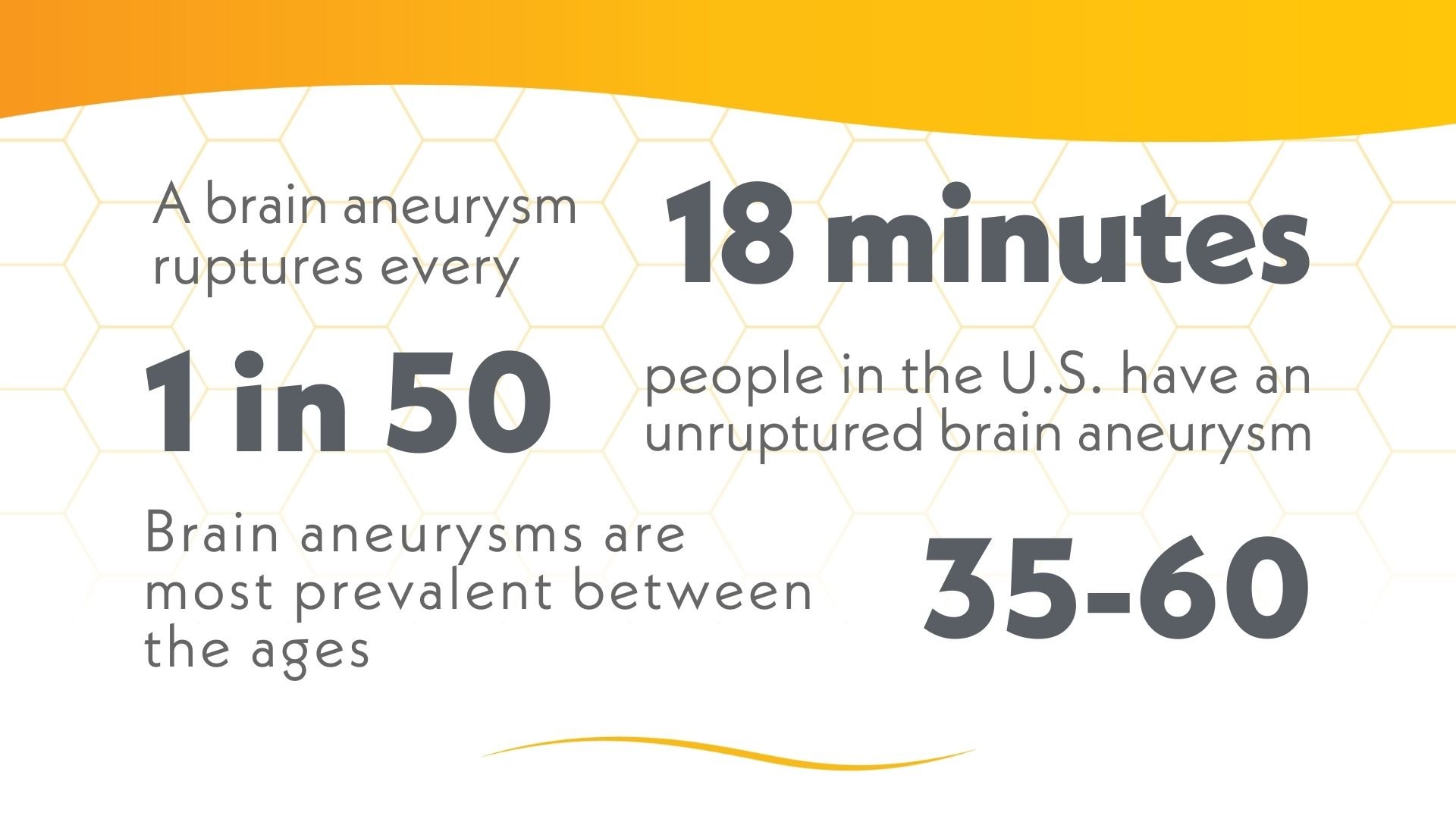
An estimated 6 million people in the United States have an unruptured brain aneurysm, or 1 in 50 people.
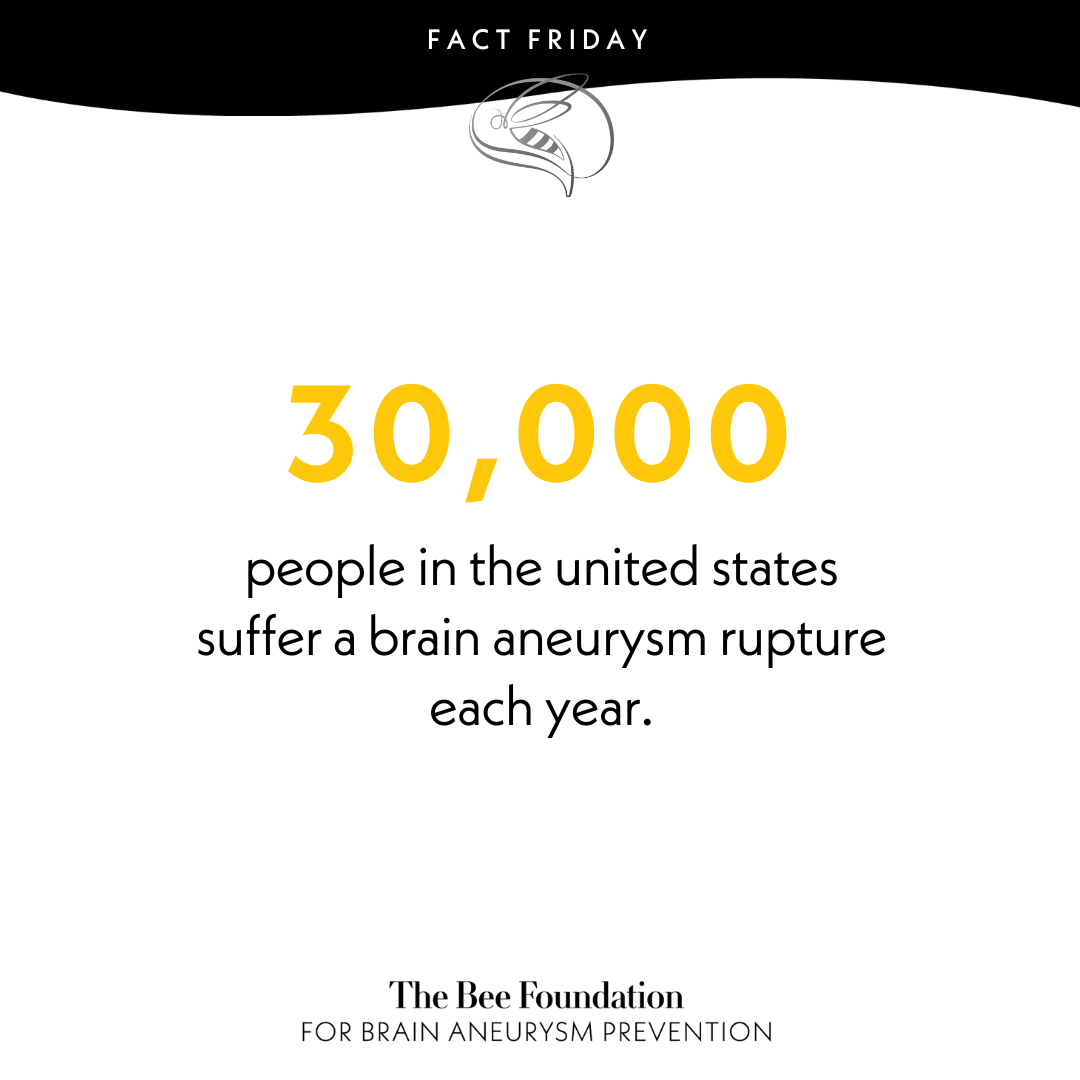
The annual rate of rupture is approximately 8 per 100,000 people or about 30,000 people in the United States suffer a ruptured brain aneurysm.
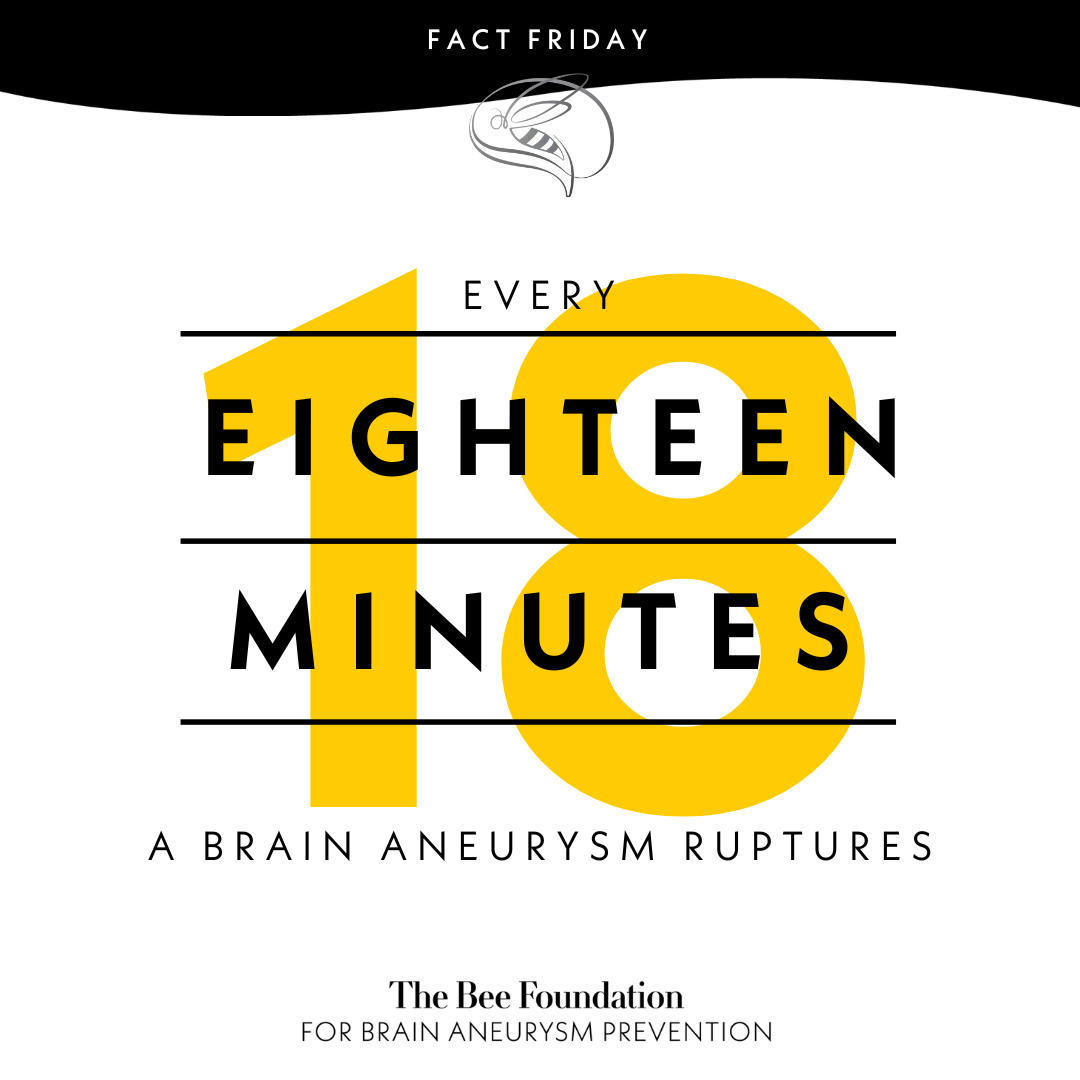
There is a brain aneurysm rupturing every 18 minutes.
Ruptured brain aneurysms are fatal in about 40% of cases. Of those who survive, about 66% will suffer some permanent deficit.
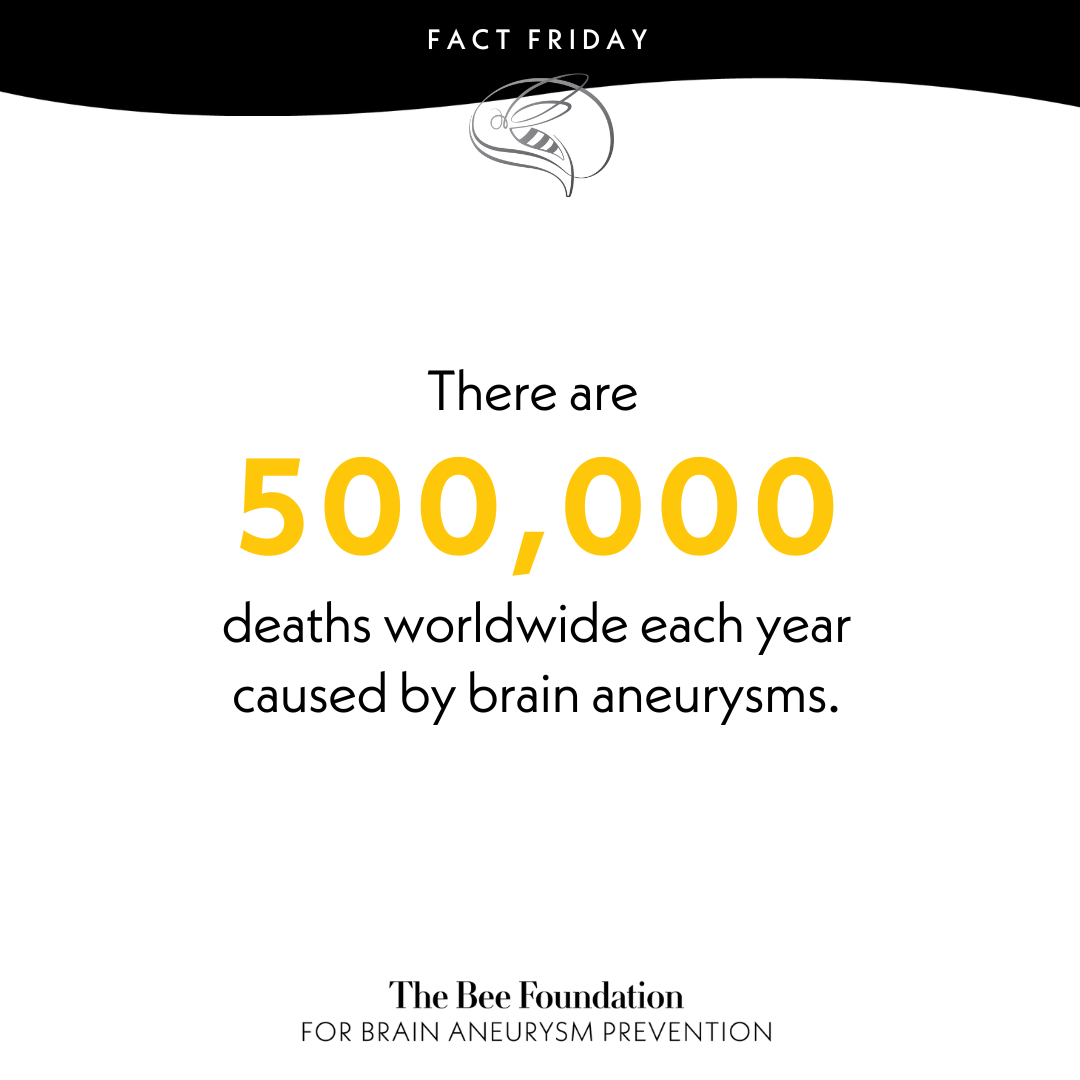
There are almost 500,000 deaths worldwide each year caused by brain aneurysms and half the victims are younger than 50.
Frequently asked Questions:
What Is A Brain Aneurysm?
A brain aneurysm (AN-yoo-riz-um) is a bulge or ballooning in a blood vessel in the brain that can leak or rupture, causing bleeding into the brain (hemorrhagic stroke). Most often a ruptured brain aneurysm occurs in the space between the brain and the thin tissues covering the brain. This type of hemorrhagic stroke is called a subarachnoid hemorrhage.
A ruptured aneurysm quickly becomes life-threatening and requires prompt medical treatment.
Most brain aneurysms, however, don’t rupture, create health problems or cause symptoms. Such aneurysms are often detected during tests for other conditions. Treatment for an unruptured brain aneurysm may be appropriate in some cases and may prevent a rupture in the future.
What Might Cause A Brain Aneurysm?
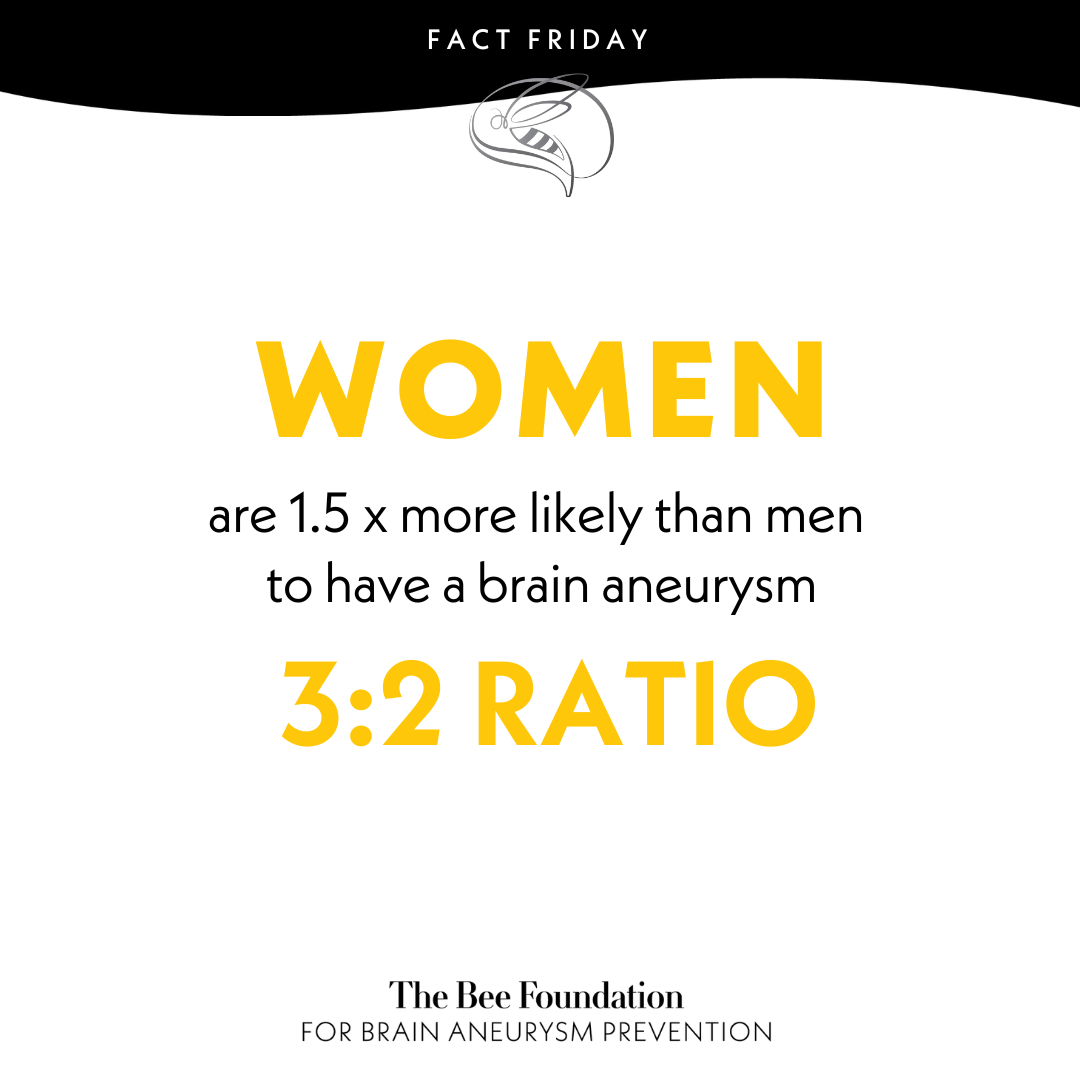
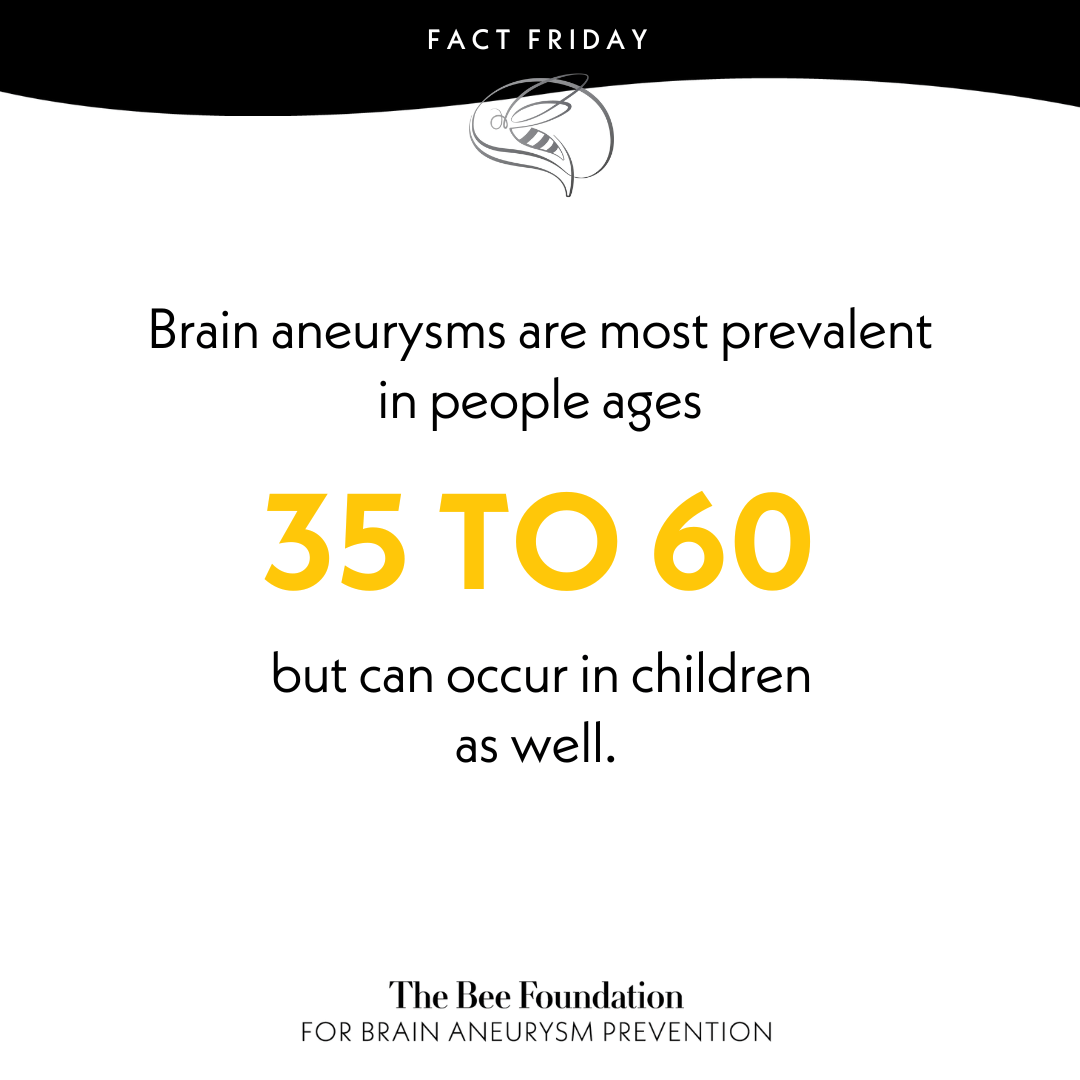
A number of factors can contribute to weakness in an artery wall and increase the risk of a brain aneurysm. Brain aneurysms are more common in adults than in children and more common in women than in men.
Some of these risk factors are:
- A condition you are born with (congenital (con-JEN-it-ul) defect)
- High blood pressure
- Hardening of the arteries (atherosclerosis, pronounced ath-er-o-sklair-OH-sus)
- Brain injury
- Certain blood infection
- Smoking
- Drug abuse, particularly the use of cocaine
- Head injury
- Heavy alcohol consumption
- Certain blood infections
- Lower estrogen levels after menopause
What Are The Symptoms Of An Unruptured Aneurysm?
An unruptured brain aneurysm may produce no symptoms, particularly if it’s small.
However, a large unruptured aneurysm may press on brain tissues and nerves, possibly causing:
- Pain above and behind an eye
- A dilated pupil
- Change in vision or double vision
- Numbness, weakness or paralysis of one side of the face
- A drooping eyelid
What Are The Symptoms Of A Ruptured Aneurysm?
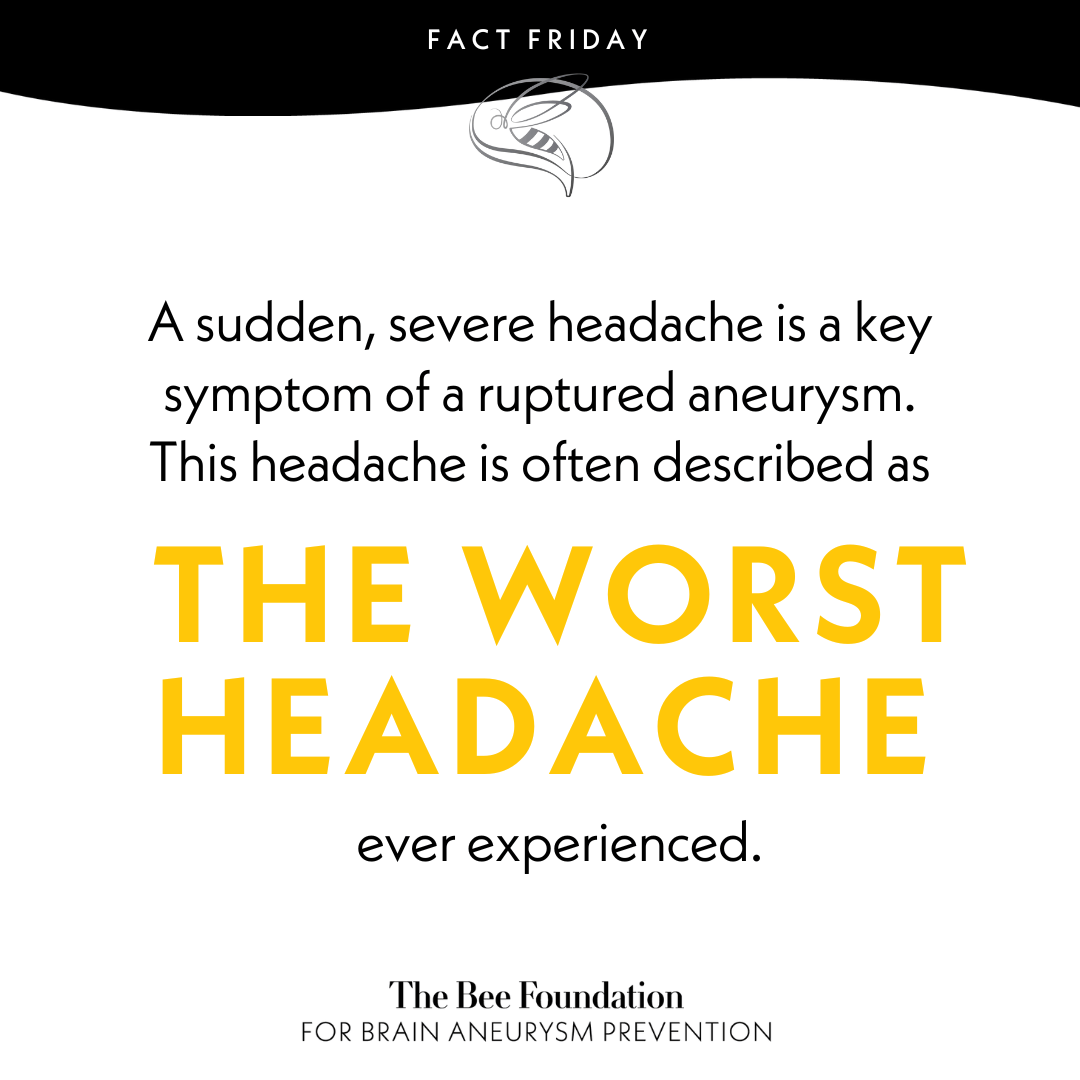
A sudden, severe headache is the key symptom of a ruptured aneurysm. This headache is often described as the “worst headache” ever experienced.
Common signs and symptoms of a ruptured aneurysm include:
- Sudden, extremely severe headache
- Nausea and vomiting
- Stiff neck
- Blurred or double vision
- Sensitivity to light
- Seizure
- A drooping eyelid
- Loss of consciousness
- Confusion
How Is A Brain Aneurysm Diagnosed?
A CT scan of the head is done to look for blood in the brain. If the CT scan does not show the problem, a lumbar puncture and angiogram are done. A lumbar puncture (also called a spinal tap) looks for blood in the fluid inside the spine. This fluid is called CFS, or cerebrospinal (ser-EE-bro-spi-nal) fluid. Blood in the fluid means there may be a subarachnoid hemorrhage.
An angiogram is done to show the exact location of the aneurysm. A catheter (thin tube) will be placed into a blood vessel in your neck. Through this, a dye will be injected into these vessels. The dye shows up on an x-ray, and if there is any bleeding, it will appear.
What Is The Treatment For A Ruptured Brain Aneurysm?
A person with a ruptured cerebral aneurysm needs medical attention right away. The patient may need surgery. The surgery is called a clip ligation (lie-GAY-shun). During the surgery, a metal clip is placed at the base of the aneurysm to control the bleeding and to decrease the risk of more bleeding. More bleeding can mean more brain damage.
In some cases, the surgeon will suggest a procedure that blocks the blood vessel so that blood can no longer flow through it. This procedure is called an endovascular (en-doe-VASS-kue-ler) embolization (em-bo-liz-AY-shun). Metal coils are packed into the aneurysm through a catheter that is inserted into the groin. This procedure is done by a radiologist who is specially trained in this type of procedure. The procedure will be done in the radiology department.
Sources:
Mayo Clinic
Scottsdale, AZ
Phone: 480.301.8000
www.mayoclinic.org
Cleveland Clinic
Cleveland, Ohio
Phone: 888.223.2273
http://my.clevelandclinic.org/

Empower your community with crucial knowledge through The Bee Foundation’s Brain Aneurysm Signs & Symptoms Awareness Card. Created to educate and inform, these cards are a vital tool in spreading awareness about the signs and symptoms of brain aneurysms, potentially saving lives.
Available Quantities:
- Packs of 25, 50, or 100: Choose the quantity that best suits your needs, whether for personal distribution or larger community outreach efforts.
Ideal for Distribution:
- Firehouses: Equip our first responders with the knowledge they need to identify brain aneurysm symptoms quickly and accurately.
- Police Stations: Ensure that our law enforcement officers are prepared to recognize and respond to brain aneurysm emergencies.
- Community Centers: Spread awareness in local community centers, schools, and other public places where people can benefit from this life-saving information.
Join the Cause:
The Brain Aneurysm signs and symptoms card is available for FREE on the TBF Shop. Together, we can make a significant impact on brain aneurysm prevention and treatment.
share the facts
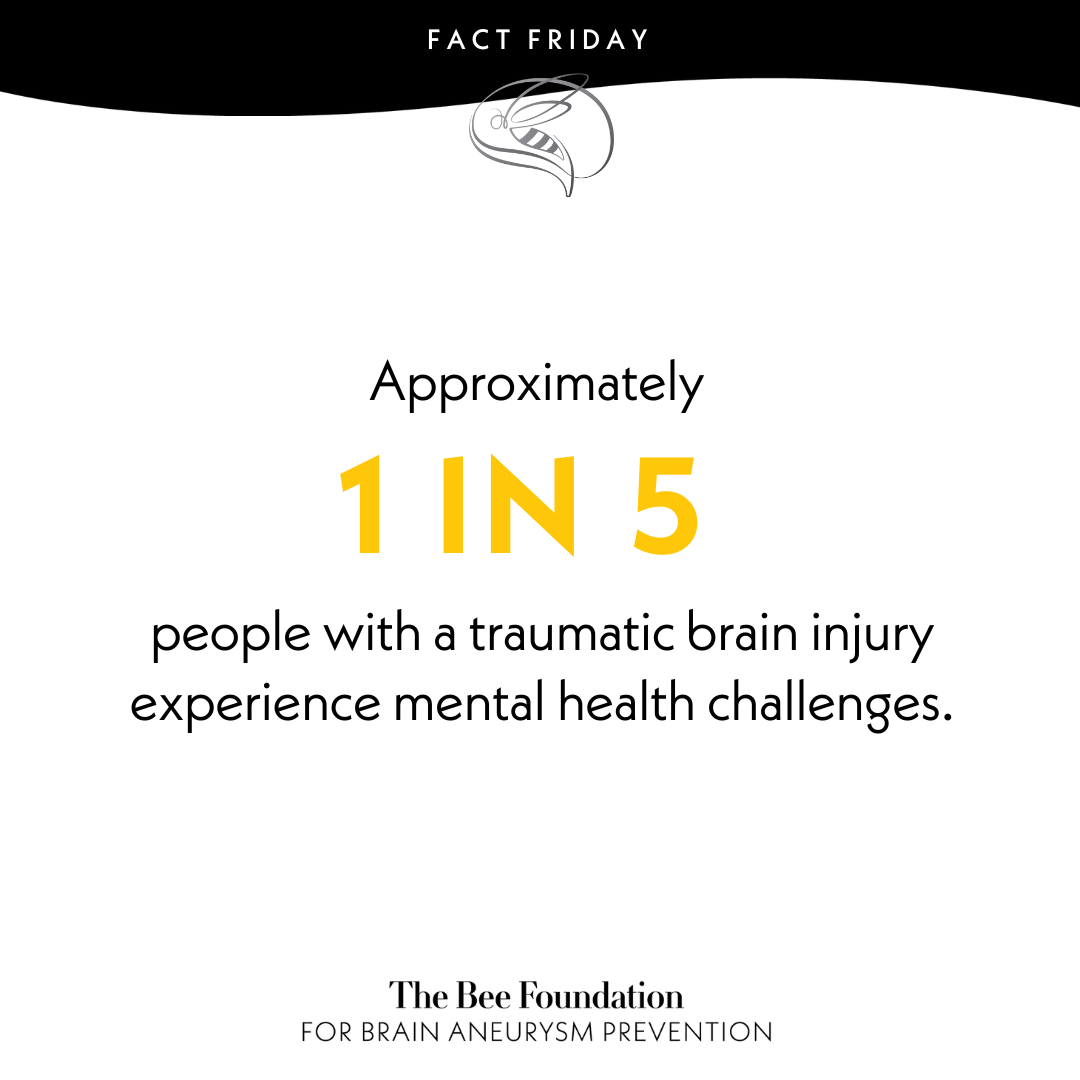
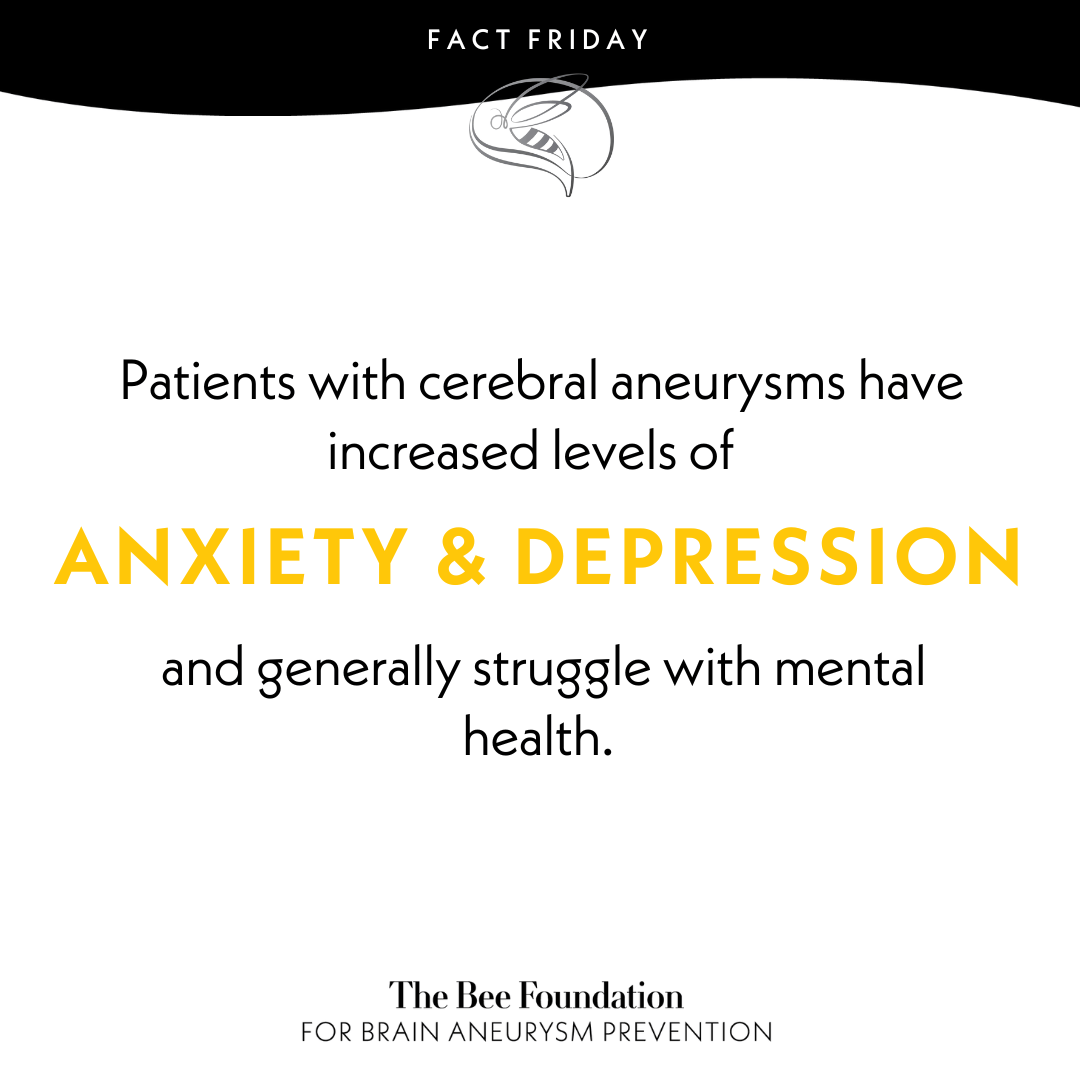
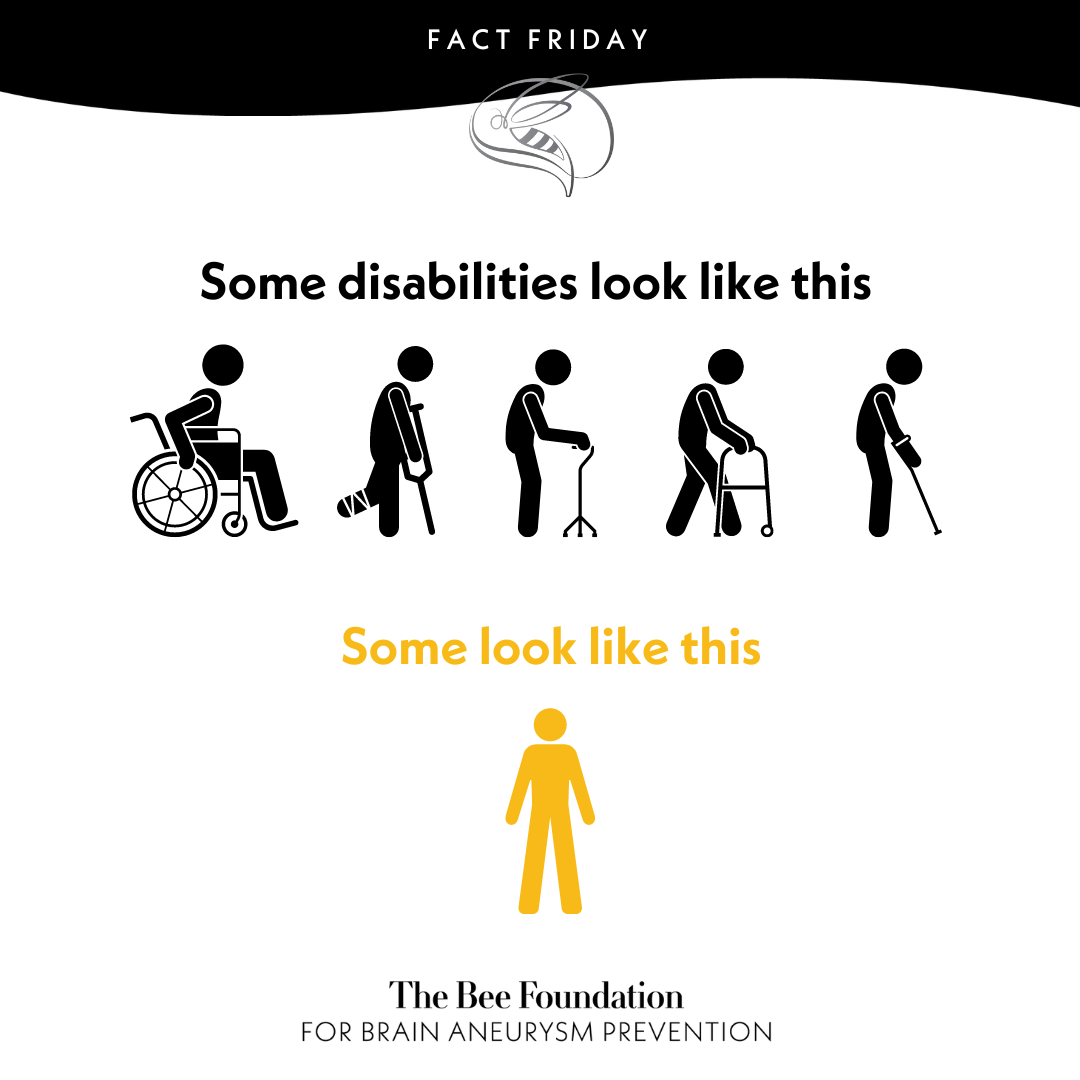
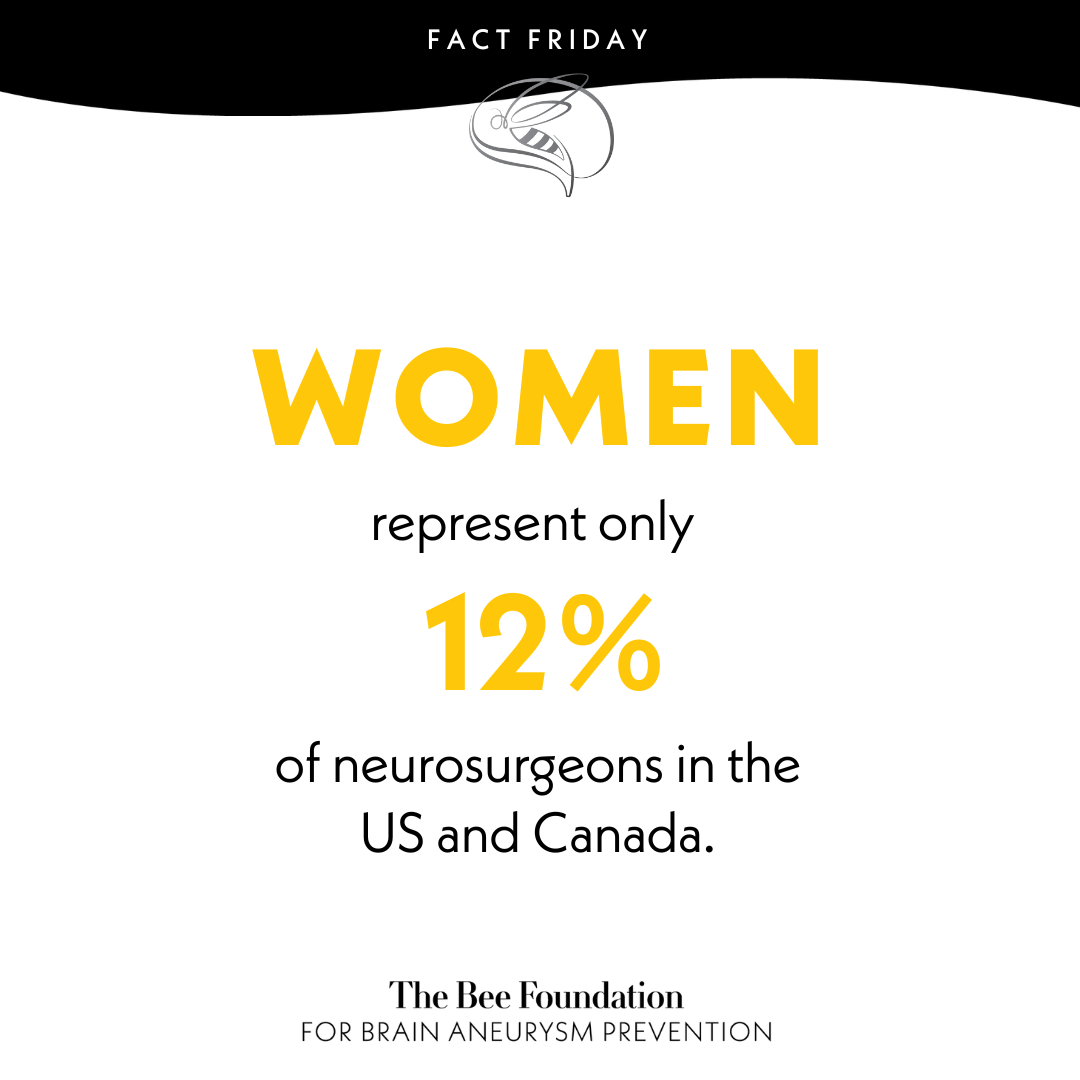
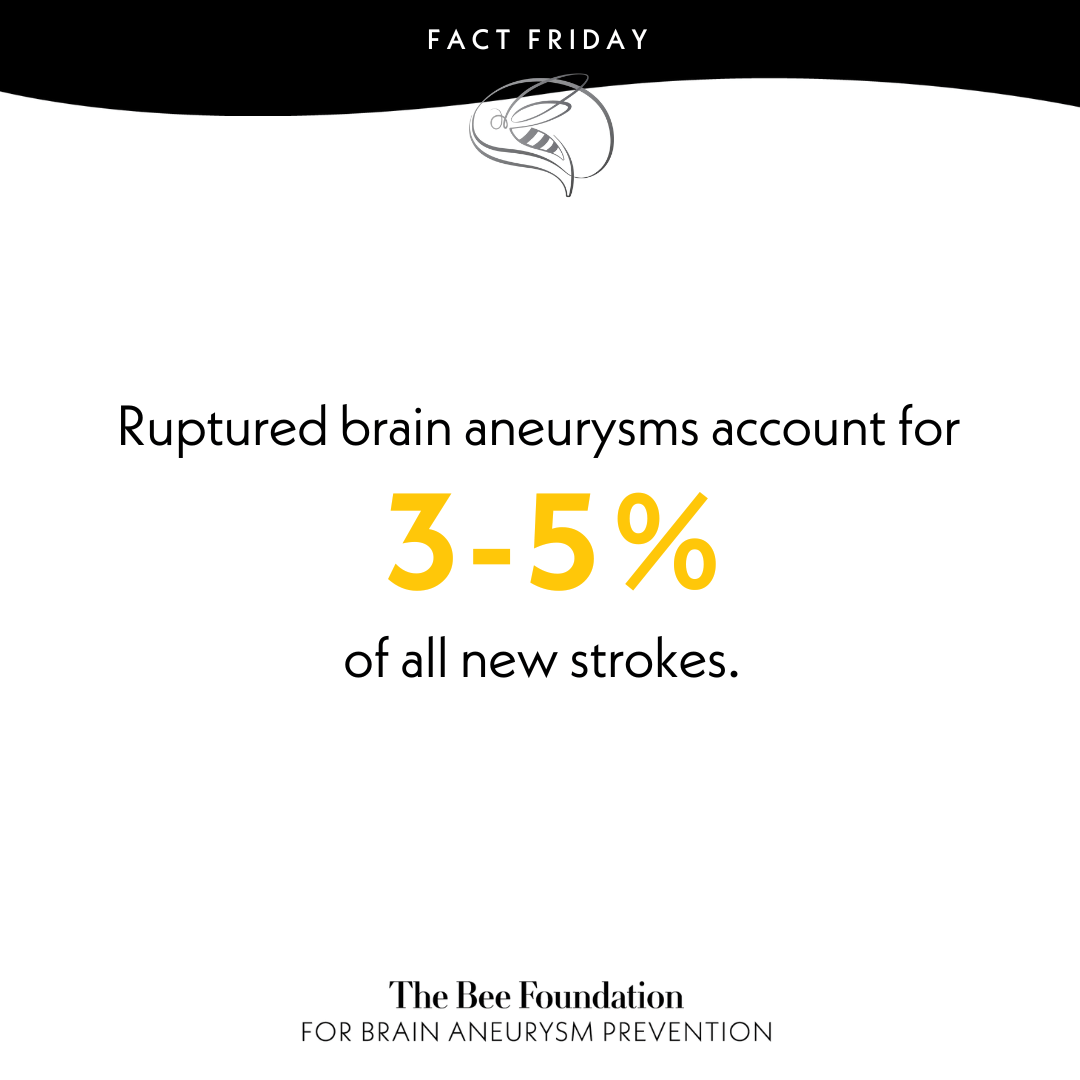
One of our key pillars here at The Bee Foundation is awareness. We do this by educating our community and providing the tools to raise awareness of the signs, symptoms and treatments of brain aneurysms. To help spread awareness, we started our #FactFriday campaign. Learn more about our Fact Friday campaign here.




Posting to your platforms? Here are some suggested hashtags for you to use along with the post!
#factfriday #1in50 #Every18Minutes #nonprofit #brainaneurysm #brainaneurysmsurvivor #brainaneurysmawareness

