On Friday, April 25th 2025, The Bee Foundation for Brain Aneurysm Prevention proudly hosted the Brain Aneurysm Community Awareness Reception which proved to be a vital evening focused on education, empowerment, and community action.
Held in conjunction with the 2025 TBF Ambassador Retreat, the event welcomed community members, healthcare professionals, and first responders for a powerful session titled “Brain Aneurysm Awareness: From Prehospital Care to Emergency Intervention.”
The goal was clear: to improve understanding of brain aneurysm signs and symptoms, to emphasize the importance of early intervention, and to strengthen the link between emergency response teams and hospital care, which are all critical steps in saving lives. This initiative is aimed to ensure that medical professionals, first responders, and the general public are better equipped to recognize the warning signs and respond quickly. Ultimately our goal is to educate others so that fatalities and long-term complications due to brain aneurysm ruptures are reduced.
By investing in the education of these frontline heroes and strengthening the emergency response system, TBF reinforced its mission to improve outcomes for individuals affected by brain aneurysms.
A Thoughtful and Impactful Program
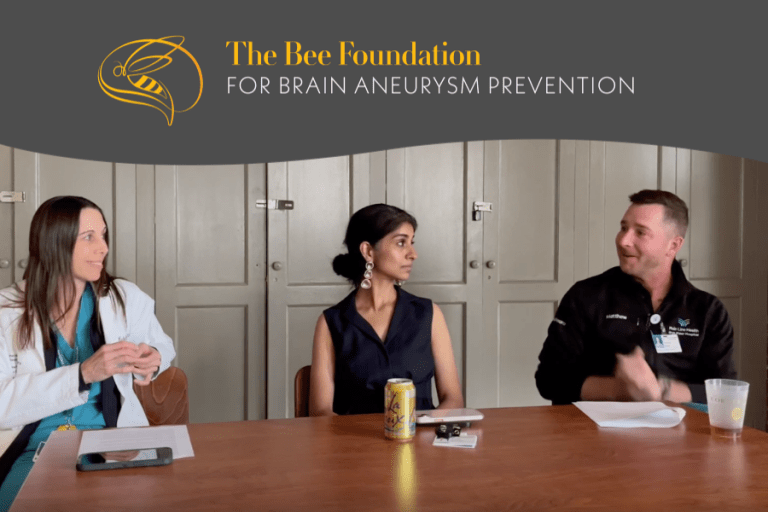
The event opened with Matt Hepler, RN, PHRN, CFRN, Stroke Program Manager at Bryn Mawr Hospital, who guided a thoughtful conversation and moderated questions throughout the evening. His leadership provided a steady bridge between real-world emergency scenarios and the clinical expertise shared by the evening’s distinguished speakers:
- Dr. Preethi Ramchand, Vascular Neurology and Interventional Neuroradiology specialist at Main Line Health & Jefferson, shared insights into how swift neurological intervention can dramatically impact outcomes for brain aneurysm patients.
- Dr. Michelle J. Smith, Neurosurgeon and Stroke/Neurointervention expert at Bryn Mawr Hospital & Jefferson, spoke about the evolving field of endovascular neurosurgery and advancements in brain aneurysm treatment options.
Together, they emphasized the critical importance of recognizing the warning signs of a brain aneurysm — from sudden, severe headaches to neurological changes — and acting quickly to improve survival rates.
View TBF ambassador Cat Navarro Lee Interview Dr. Preethi Ramchand prior to the session.
Supporting the Frontlines
The program also honored the vital and indispensable role of first responders, EMTs, and emergency care providers, who often serve as the crucial first line of defense in the early detection and treatment of brain aneurysms. As an added benefit and a further commitment to their ongoing professional development, the event offered continuing education credits to both nurses and EMS participants. These credits not only support licensing requirements but also help to ensure that first line responders remain equipped with critical knowledge, the latest techniques, and best practices in emergency care.
Closing with Connection
Following the educational session, guests gathered for a warm and engaging reception — an opportunity to continue conversations, build community ties, and renew a shared commitment to brain aneurysm prevention and awareness.
A Grateful Thank You
The Bee Foundation extends its deepest gratitude to our guest speakers, attendees, and the broader community for making this event such a success. Your presence, passion, and dedication are helping to change the future for those affected by brain aneurysms.
Together, through education and action, we are making a difference.
View The Full Session Here: