Surviving a ruptured brain aneurysm is a life-altering experience that demands strength, resilience, and a commitment to healing. As you embark on the path of recovery, there are essential things to know that can support your journey towards a fulfilling and healthy life. In this blog post, we will delve into five crucial insights to empower you on this transformative path. From understanding the recovery process and seeking proper follow-up care to embracing a healthy lifestyle and seeking emotional support, we’ll provide you with valuable knowledge and guidance to navigate life after surviving a ruptured aneurysm. Join us as we explore these essential elements and discover the tools to thrive beyond the challenges you’ve faced. 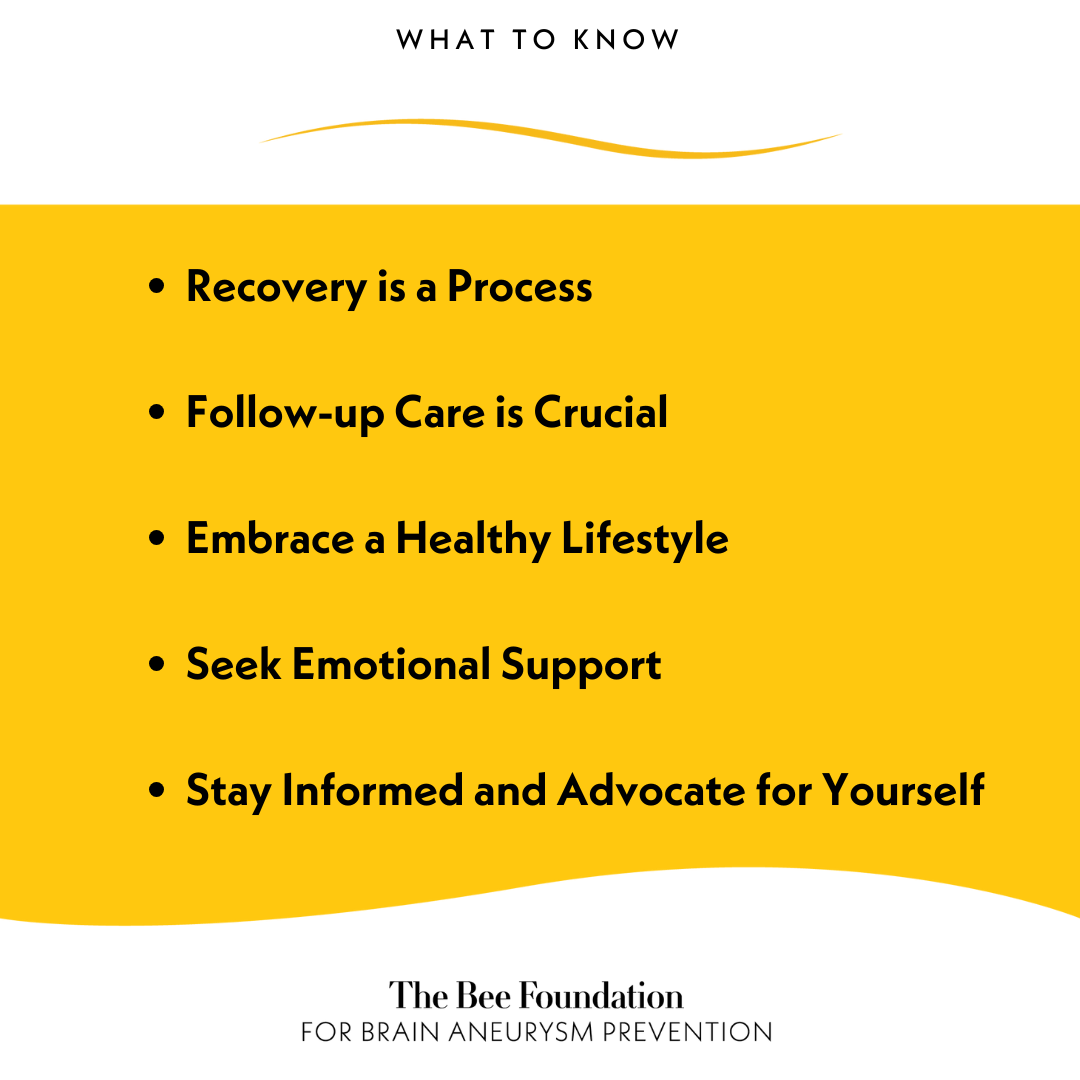
- Recovery is a Process: Surviving a ruptured brain aneurysm is a major medical event, and it takes time to heal physically and emotionally. Understand that the recovery process can be gradual, and it’s essential to be patient with yourself as you regain strength and adjust to any physical or cognitive changes.
- Follow-up Care is Crucial: After surviving a ruptured aneurysm, regular medical follow-up is crucial. Your healthcare team will monitor your progress, conduct imaging scans, and assess any potential complications or risks. Attend all scheduled appointments and communicate any concerns or changes in your health to your healthcare provider.
- Embrace a Healthy Lifestyle: Adopting a healthy lifestyle can have a positive impact on your recovery and overall well-being. Eat a balanced diet, engage in regular exercise as recommended by your healthcare team, get sufficient rest, and avoid habits detrimental to your health, such as smoking or excessive alcohol consumption.
- Seek Emotional Support: Surviving a ruptured aneurysm can lead to emotional and psychological challenges. It’s essential to seek emotional support from loved ones, join support groups or therapy sessions, or consult with mental health professionals if needed. Addressing your emotional well-being is just as important as addressing your physical health.
- Stay Informed and Advocate for Yourself: Educate yourself about brain aneurysms, their potential risks, and the warning signs of complications. Be proactive in understanding your medical condition, treatment options, and potential long-term effects. Advocate for your needs by actively participating in discussions with your healthcare team and seeking second opinions if necessary.
Remember, every individual’s experience and recovery journey are unique. It’s important to consult with your healthcare team for personalized advice and guidance based on your specific circumstances. By staying informed, prioritizing your well-being, and seeking support, you can navigate life after surviving a ruptured brain aneurysm with resilience and empowerment.