The Role of Advocacy in Advancing Research
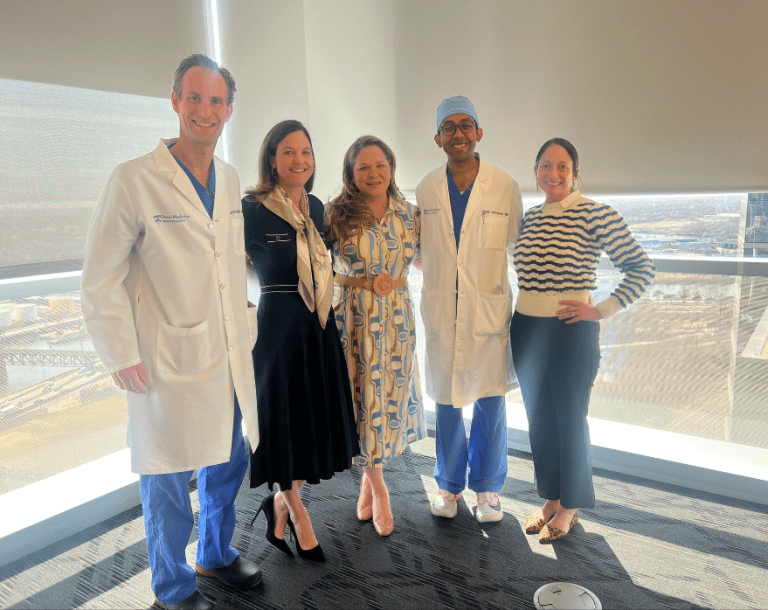
On March 13, 2025, The Bee Foundation (TBF) was invited by the Institute for Translational Medicine and Therapeutics (ITMAT) for a powerful discussion on The Role of Advocacy in Advancing Research at the Perelman Center for Advanced Medicine in Philadelphia. The panel brought together academia, foundation leaders, researchers, neurovascular professionals and medical students to explore how advocacy fuels scientific discovery and funding for pilot research.
 A Mission-Driven Conversation
The panel was moderated by Emma Meagher, MD, Professor of Medicine and Pharmacology at the Perelman School of Medicine, and opened with a compelling backstory from Christine Kondra and Erin Kreszl, co-founders of The Bee Foundation For Brain Aneurysm Prevention (TBF). They shared their personal journey of turning tragedy into action, highlighting how TBF was built to fund life-saving research, raise awareness, and advocate for better policies to prevent brain aneurysms.
Erin outlined the primary objectives and grant review process of the foundation, emphasizing how TBF carefully selects research proposals that demonstrate innovation and potential for impact – emphasizing the importance to the audience of remaining focused on the underlying mission of the organization to which you are applying. For TBF this always means ensuring their mission of Prevention is aligned with the research aims. Christine discussed TBF’s advocacy work on Capitol Hill, underscoring how lobbying efforts have led to increased federal funding for brain aneurysm research. The engagement of the attendees was undeniable and offered the promise that our voice matters, and we need to seek out the change makers for our area of research.
Bridging Science and Advocacy
The panel featured two esteemed researchers:
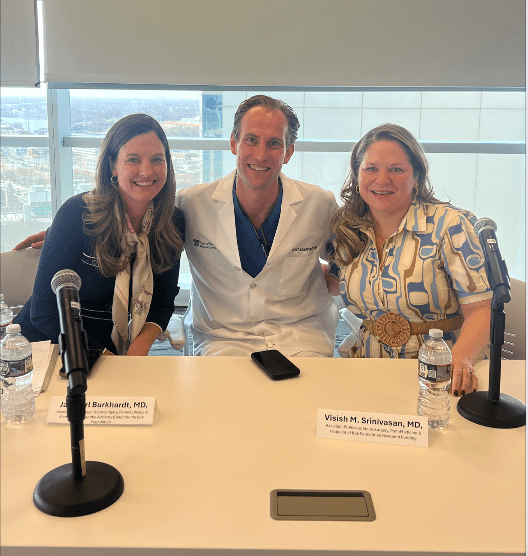
- Dr. Jan-Karl Burkhardt, a member of TBF’s Scientific Advisory Board, shared his experiences collaborating with advocacy organizations, offering advice to aspiring researchers on securing funding and making their work more accessible to the public. He offered guidance that organizations with leaders in the field is a way to assess credibility and sustainability when evaluating potential funders.
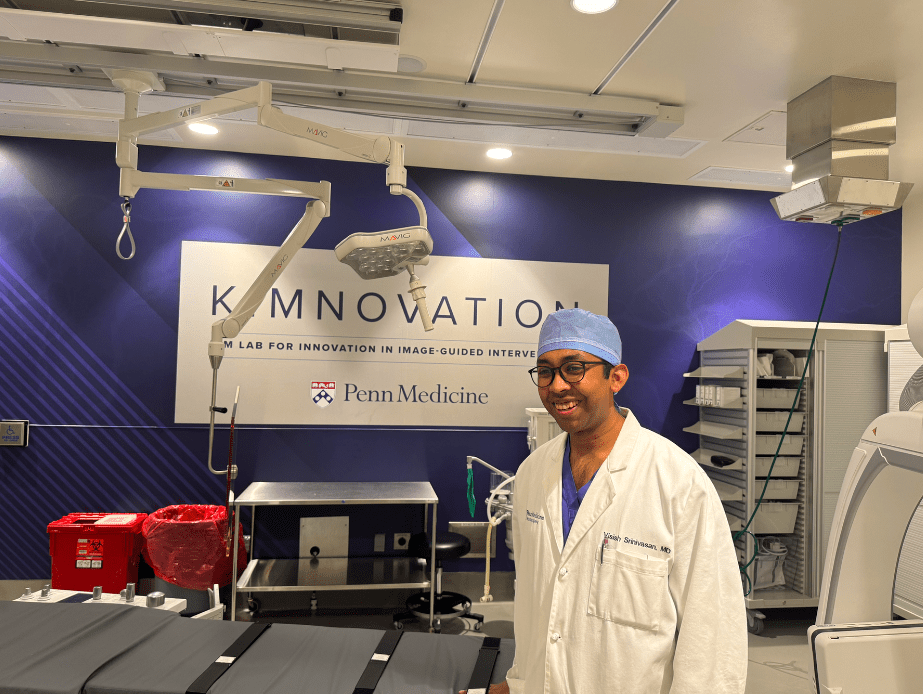
- Dr. Visish Srinivasan, a TBF grant recipient, provided insight into how foundation grants provide unique opportunities beyond traditional funding sources, fostering direct connections between scientists and donors. He spoke about the challenges of communicating complex research to different audiences—including policymakers, patients, and philanthropists—and the importance of making science relatable.
 The Power of Donor Engagement
Erin and Christine shared donor perspectives, emphasizing the crucial role that private funding plays in driving early-stage research. In the current challenging times, it is more important than ever to uphold transparency in funding decisions and communicate often to donors the impact of their contributions. Early in the discussion Dr. Meagher highlighted that no matter the environment what will always stand true is that if you gain skills, expand knowledge, and focus on unmet need we will all advance discoveries in new therapies, diagnostics, and better understanding of disease.
Key Takeaways: Advocacy as a Catalyst for Change
The panelists engaged in a dynamic Q&A session, tackling questions on research priorities, advocacy strategies, and how to best communicate scientific advancements. Some key insights included:
- Advocacy amplifies research by securing funding, influencing policy, and increasing public awareness.
- Researchers must be effective communicators—tailoring their message for different audiences, from donors to legislators.
- Donor engagement is key—building trust through transparency encourages long-term support for scientific advancements.
- Collaboration is essential—bridging the gap between scientists, advocates, and patients leads to more impactful outcomes.
Looking Ahead: Join Us in Advocacy
The event underscored the power of advocacy in advancing brain aneurysm research. As TBF continues its mission, we encourage everyone to get involved—whether through donating, advocating, or joining us for Brain Aneurysm Advocacy Day in May.
A huge thank you to attendees for an inspiring conversation! Together, we are making strides toward a future where brain aneurysms are preventable.
Stay engaged—sign up for Advocacy Day before the March 31st deadline!
Learn More & Register here: https://thebeefoundation.org/lobby-day/