Brain Health is one of the most critical, and too often overlooked, frontiers in women’s health. Despite facing disproportionate risk of conditions like brain aneurysms, women remain underrepresented in the very fields dedicated to diagnosing, researching, and treating them. Yet within this gap lies a powerful story of leadership and change. Across operating rooms, laboratories, and advocacy spaces, women are not only confronting these disparities, they are reshaping the future of brain health itself.
Women’s History month is a time to recognize the trailblazers whose work is advancing science, improving care, and saving lives. This year, TBF is proud to partner with Main Line Health to spotlight neurosurgeons like Dr. Thana Theofanis, whose expertise and dedication are helping redefine what equitable, life-saving care looks like for women.
Through Main Line Health’s affiliation with Jefferson Health, neurosurgeons and neurointerventionalists provide 24/7 specialized care including neurointervention and life saving stroke care.
Women & Brain Aneurysms: Why Women Are at Higher Risk
Brain aneurysms are far more common, and far more devastating, than many realize, affecting roughly 1 in 50 people and rupturing in about 30,000 cases each year. Half of these ruptures are fatal, often striking without warning. Yet the burden is not shared equally. Women are about 1.5 times more likely than men to develop a brain aneurysm, and their risk of rupture climbs even higher, particularly after menopause. This disparity raises urgent questions that science is only beginning to answer. Researchers are now exploring how hormonal shifts and underlying differences in vascular biology may contribute to this increased vulnerability. Understanding why women are disproportionately affected is not just a scientific challenge, it is a critical step toward prevention, earlier detection, and ultimately, saving lives.
Women in Neurosurgery: Breaking Barriers
Neurosurgery, one of the most demanding fields in medicine, has long been marked by gender imbalance. Women once made up just 8% of practicing neurosurgeons, and while progress is underway, they now compromise about 30% of residents, representing a slow but meaningful shift. This gap is not just about representation, it directly impacts women’s health. When women are underrepresented in research and clinical leadership, critical perspectives on conditions that disproportionately affect them, like brain aneurysms, can be overlooked. Increasing the number of women in neurosurgery is not only advancing equity in the field, it is essential to driving more inclusive research, improving care, and achieving better outcomes for patients.
Survivor Voices: The Power of Awareness
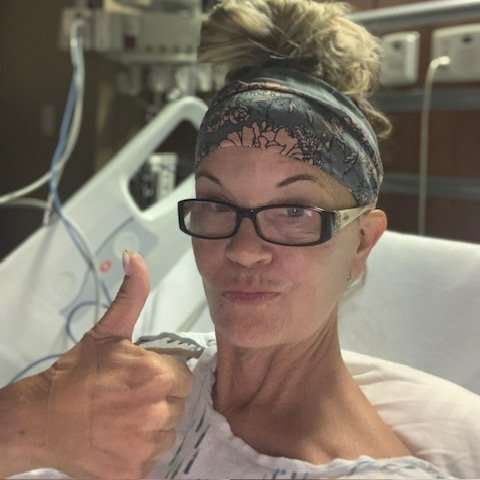
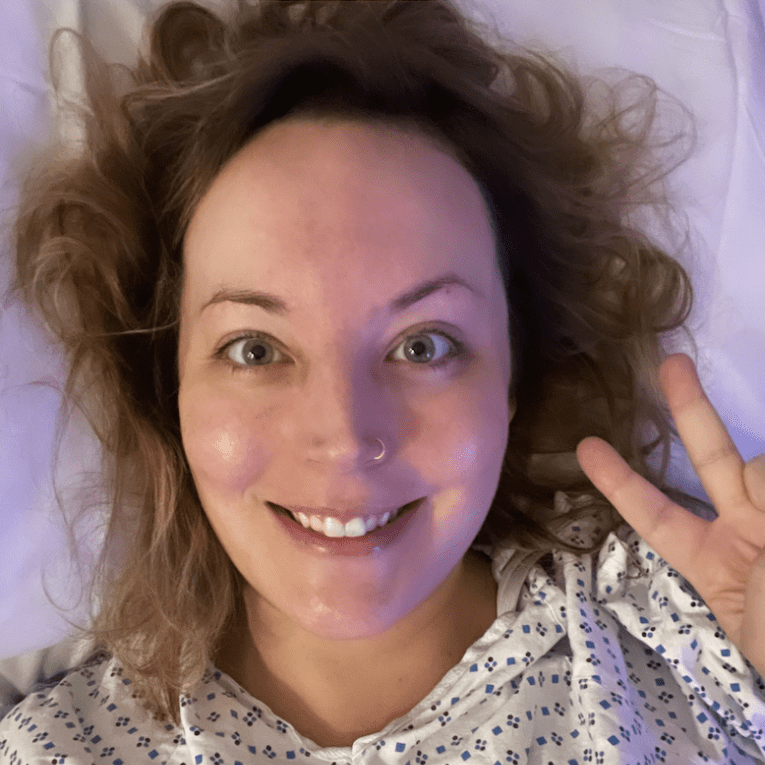
Women are also at the forefront of raising awareness and driving change in the fight against brain aneurysms. Their lived experiences often spark advocacy efforts, shape public understanding, and inspire critical research funding. Within our TBF Ambassador Program and Support Hive, the majority of voices are women, individuals who have turned personal challenges into powerful platforms for education and outreach. Their stories reflect resilience, urgency, and a shared commitment to ensuring others are informed and supported. Read a few of their powerful stories below:

The Future of Women & Brain Health
The future of brain health depends on both momentum and intention. Increasing the number of women entering neurosurgery will help ensure more diverse perspectives in the operating room and beyond, while expanding research focused on women’s brain health will bring us closer to understanding and addressing the disparities that persist today.
Women’s History Month is not only a time to reflect on progress, it is a call to action to continue breaking barriers and investing in the next generation of leaders. Real change will require the collective efforts of patients, physicians, researchers, and advocates working together. With sustained commitment and collaboration, we can move toward a future where brain aneurysms are detected earlier, treated more effectively, and ultimately prevented, improving outcomes for women everywhere.
To the women who are pushing these boundaries, raising their voices, and changing the statistics of brain health, thank you for leading this movement. To every woman whose strength, story, and dedication are driving this change, thank you for lighting the path ahead. Thank you to the women who are not only shaping this field, but are transforming its future.